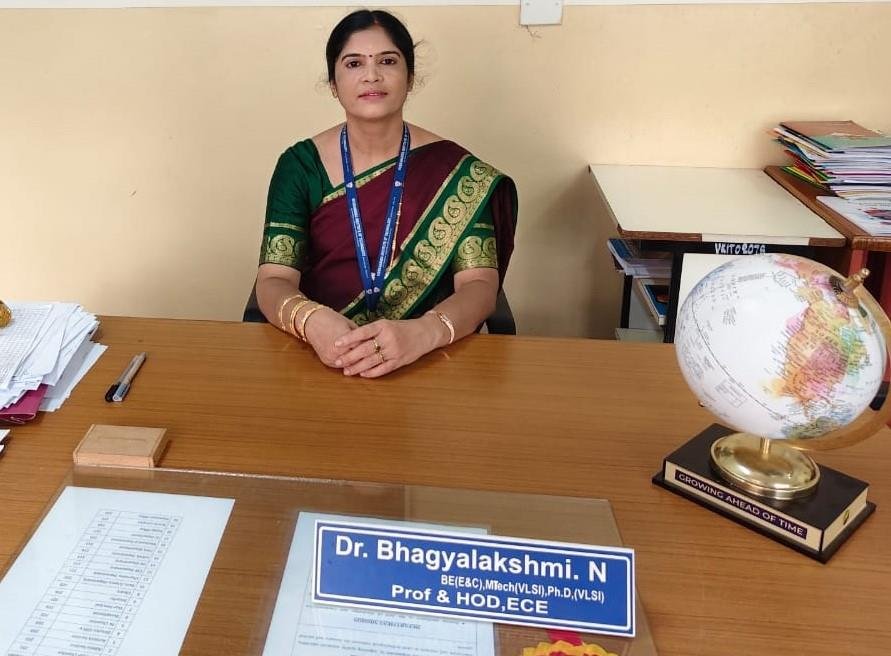
 Head of Department
Dr. Bhagyalakshmi N
Dr. Bhagyalakshmi N has 24 years of teaching and research experience altogether. She received her B.E. in Electronics & Communication from Vivekananda Institute of Technology, Bangalore University, M.Tech. in VLSI Design and Embedded Systems from UTL Technologies, Bangalore (Visvesvaraya Technological University), and Ph.D. in VLSI Design from Jain University. She has published research papers in International Conferences and refereed International Journals, and has received prestigious Best Research Paper Awards.
She is guiding Ph.D. students under Visvesvaraya Technological University, Belagavi. She is a reviewer for International Conferences and Journals. Life Member for ISTE and Member of IEI (MIE). Member of the Board of Examiners (BOE) for VTU during 2017 to 2018. She was conferred with the prestigious "Women Achiever Award" by the Institution of Engineers (India), Karnataka State Center, Bengaluru as part of International Women's Day Celebrations in 2019. Chairman/Member for Research Advisory Committee of Research Scholars; Expert Committee Member for Pre-Registration Interview of VTU-ETR (July 2024); Expert Committee Member for Research Scholar Application Scrutiny, VTU (April 2025). She has received grants for various projects from prestigious organizations including KSCST, VTU-FOSS, DST-NIMAT, AICTE/ISTE, and IEI.
About the Department
Academic profile, good practices, vision, mission, PEOs, PSOs, POs, and developmental milestones
1. Brief Profile of the Department
The Electronics and Communication Engineering Department was Established in 1997 with an initial intake of 30 students. The Department at VKIT has evolved into a premier center of academic excellence, now accommodating 60 students annually.
The department is distinguished by its superior infrastructure, encompassing cutting-edge laboratories, advanced equipment, high-performance computing systems, industry-relevant software tools, and well-equipped E-classroom facilities. A team of highly qualified, experienced, and dedicated faculty members drives the department’s mission, combining academic rigor with a deep commitment to student success.
In addition to delivering a robust curriculum, the department places a strong emphasis on the development of employability skills, nurturing both personal and professional growth to prepare students for thriving careers in the ever-evolving technological landscape.
2. Good Practices
The ECE Department implements several good practices to enhance the educational experience:
- Encouraging academic excellence and holistic development through a structured system of recognition and rewards.
- Providing dedicated remedial coaching sessions to support and uplift students requiring additional academic assistance.
- Delivering Value-Added Programs aimed at enhancing technical competencies, industry readiness, and soft skills beyond the standard curriculum.
- Fostering a culture of collaboration and mutual respect by actively promoting teamwork and peer recognition.
3. Vision
"To become a distinguished department by imparting quality technical education, innovation and research to cater technological resources for industry and societal growth."
Mission
- Nurture excellence in the field of Electronics and Communication Engineering to meet the needs of the industry.
- Facilitate students by promoting multidisciplinary skill development, type certification courses suitable for industry, innovation, and research.
- Foster overall personality of the students and faculties by providing behavioral, professional attitude, and ethical values through state-of-the-art science and technology.
4. Program Educational Objectives (PEOs)
Continuously enhance knowledge by pursuing higher studies in multidisciplinary areas and thrive in multicultural environments.
Pursue successful careers utilizing education to develop as excellent employees or entrepreneurs.
Be responsible members who understand the human, social and environmental context of their profession and contribute positively to societal needs.
5. Program Specific Outcomes (PSOs)
PSO 1: Circuits & Embedded Signal Systems
Specify, design, build and test analog, digital and embedded systems for signal processing.
PSO 2: Communication & Network Architecture
Understand and architect wired and wireless analog and digital communication systems as per specifications, and determine their performance.
Program Outcomes (POs - 11 Outcomes under NBA Accreditation)
NBA Framework • 11 POsApply knowledge of mathematics, science, engineering fundamentals, and an engineering specialization to solve complex engineering problems.
Identify, formulate, review research literature, and analyze complex engineering problems using principles of mathematics, natural sciences, and engineering sciences.
Design creative solutions for complex engineering problems and design system components or processes that meet specified needs with appropriate consideration for health, safety, and societal and environmental factors.
Use research-based knowledge and research methods, including design of experiments, analysis and interpretation of data, to draw valid conclusions.
Create, select, and apply appropriate techniques, resources, and modern engineering and IT tools to complex engineering activities.
Apply reasoning informed by contextual knowledge to assess societal, health, safety, legal, and cultural issues and the responsibilities relevant to professional engineering practice.
Understand and evaluate the impact of professional engineering solutions in societal and environmental contexts and demonstrate knowledge of sustainable development.
Apply ethical principles and commit to professional ethics, responsibilities, and norms of engineering practice.
Function effectively as an individual and as a member or leader in diverse teams and in multidisciplinary settings.
Communicate effectively on complex engineering activities with the engineering community and society at large.
Demonstrate knowledge and understanding of engineering and management principles and apply these to one's own work, as a member or leader of a team, to manage projects in multidisciplinary environments.
6. Short-Term Goals
- Upgrade the department towards achieving A++ accreditation from NAAC.
- Conduct Value-Added programs for students that promote domain skills through MOOCs and NPTEL.
- Organize Seminars, Workshops, Student Development Programs (SDPs), Conferences and Industrial Visits.
- Assist students in securing Internships and Placements.
- Conduct regular Faculty Development Programs for skill upgradation.
Long-Term Goals
- Encourage Research and Development to achieve significant publications and patents through multidisciplinary research.
- Establish and strengthen Industry-Institute interactions to provide industry solutions.
- Undertake sponsored/consultancy projects from private and government organizations.
- Upgrade the department towards achieving A+ grade accreditation from NBA.
Staff Details
Teaching faculty members and technical support staff
Teaching Staff (9 Members)
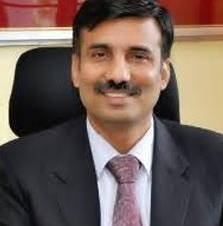
Dr. K M Ravikumar
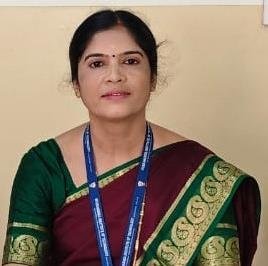
Dr. Bhagyalakshmi N

Mamatha M

Kavitha C S
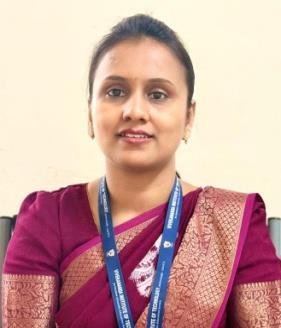
Monica N P


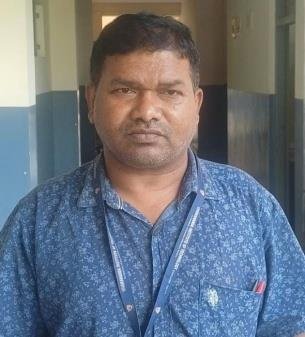

Non-Teaching Staffs (4 Members)
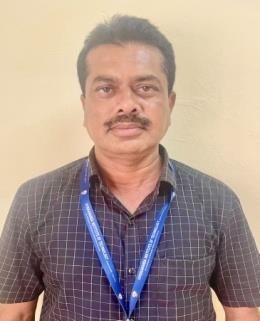


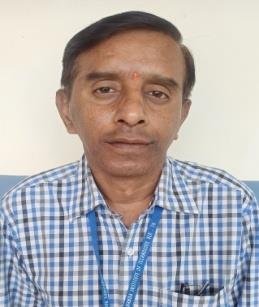
Infrastructure
Superior physical infrastructure, computing systems, E-classrooms, and departmental amenities
Well-Equipped E-Classrooms
Modern ICT-enabled E-classrooms featuring high-definition projection, interactive teaching displays, lecture capture capabilities, and acoustic ergonomics.
High-Performance Computing
Dedicated workstation infrastructure equipped with industry-relevant software tools including Cadence EDA Suite, MATLAB, Keil Microvision, and Xilinx Vivado.
Department Library & Research
Specialized department reference library containing technical monographs, IEEE transaction archives, project documentations, and doctoral thesis compilations.
Laboratories (6 Official Facilities)
Photographs and technical details of the six laboratories equipped in the department
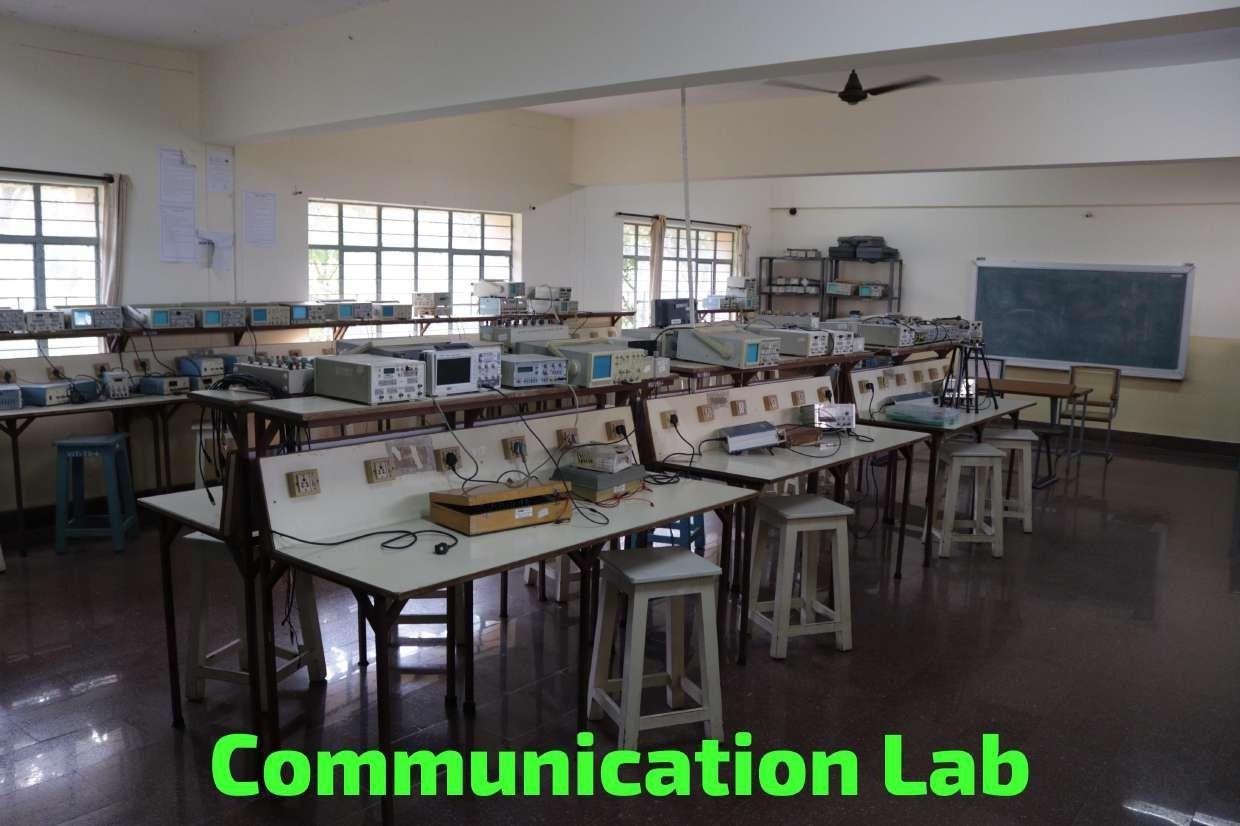
1. Communication Lab
Equipped with modulation trainer benches, analog and digital modulation kits (AM, FM, ASK, FSK, PSK), digital storage oscilloscopes (DSOs), and RF signal generators.
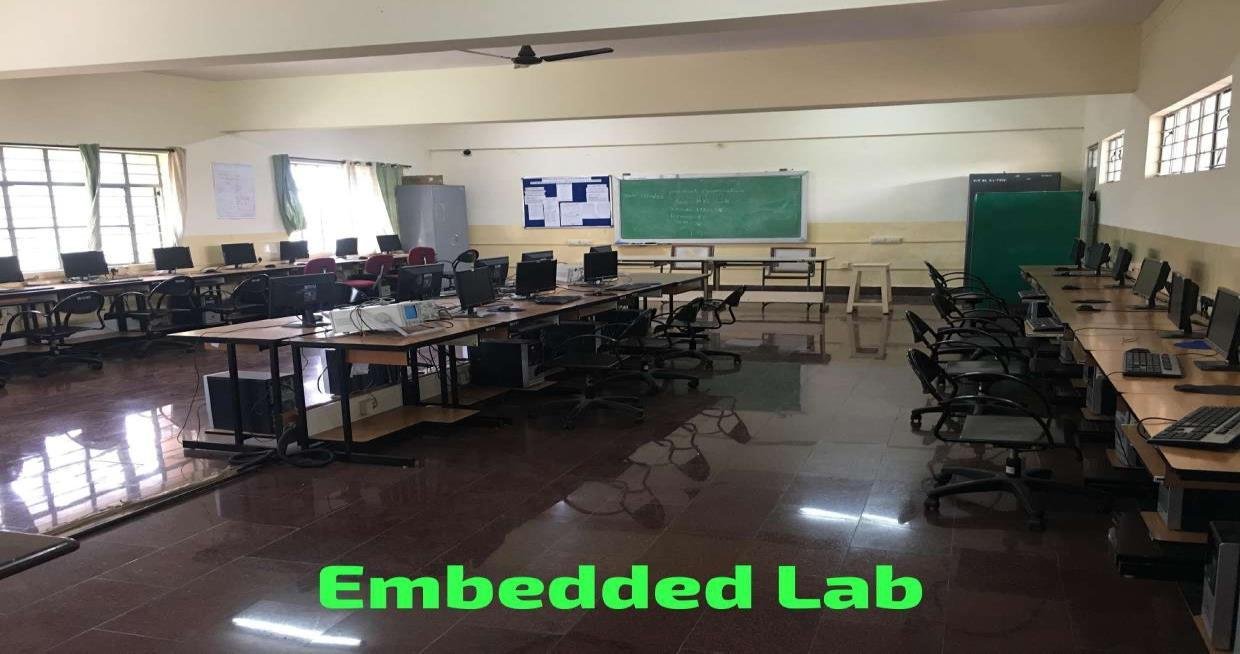
2. Embedded Lab
Row workstations configured with ARM Cortex microcontroller platforms, Keil Microvision IDEs, sensor interfacing modules, DAC/ADC modules, and embedded peripherals.
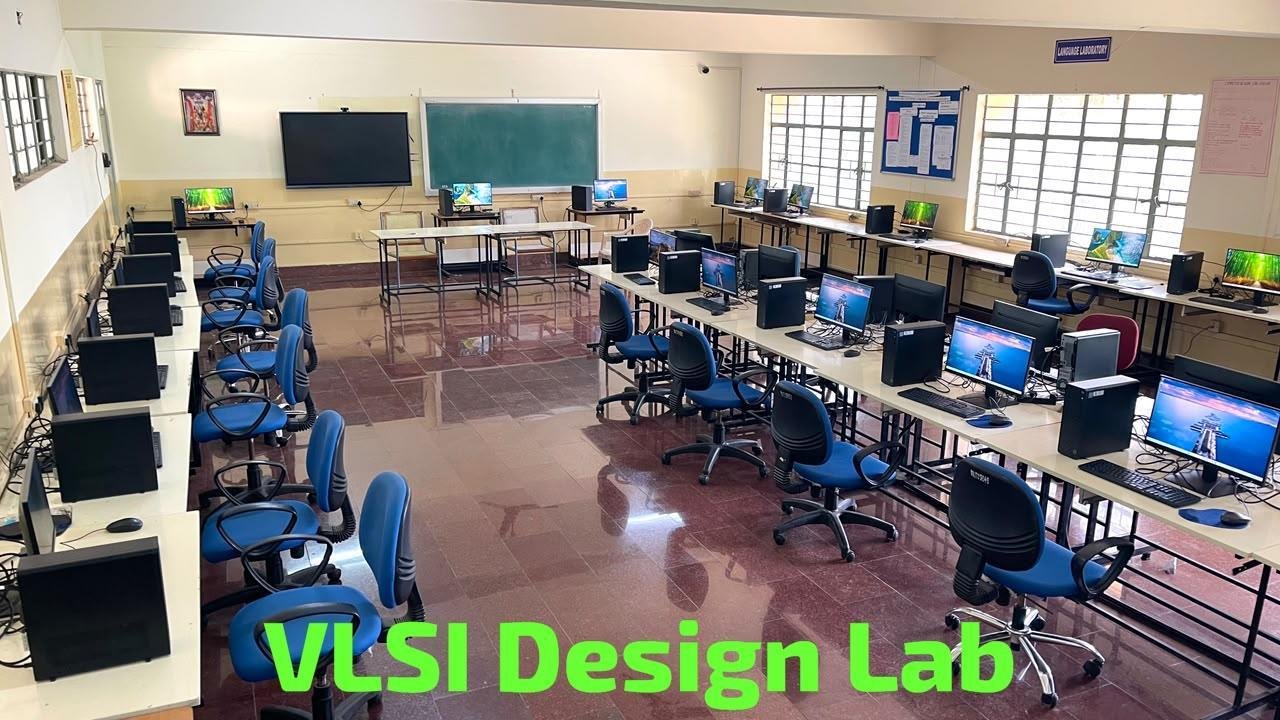
3. VLSI Design Lab
State-of-the-art semiconductor EDA tools, Cadence design suites, Xilinx Vivado software, FPGA trainer boards (Spartan and Artix), and Verilog/VHDL simulation environments.
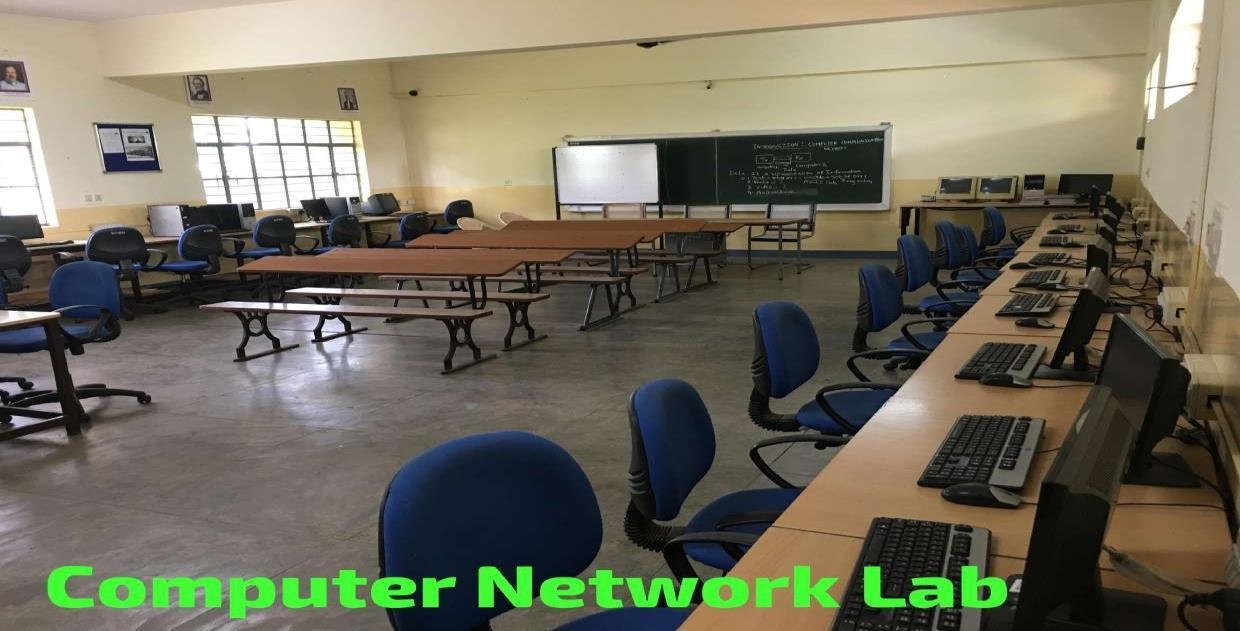
4. Computer Network Lab
High-speed networked computing systems for packet analysis using Wireshark, NS-2/NS-3 network simulators, routing algorithm implementations, and socket programming.
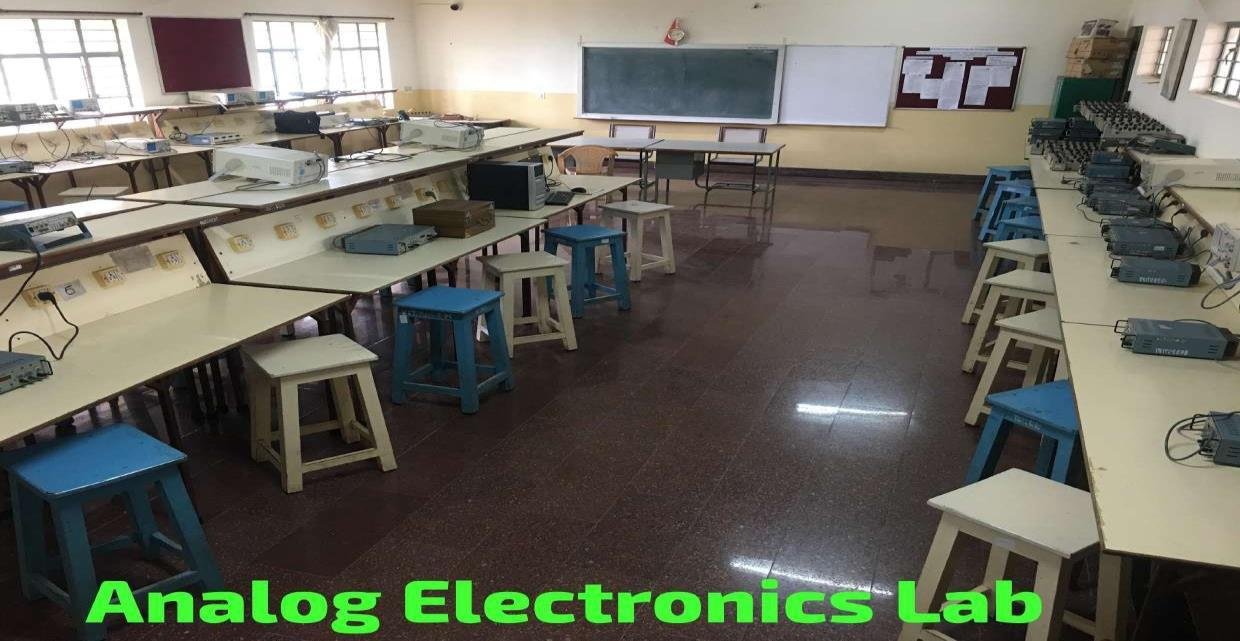
5. Analog Electronics Lab
Dedicated analog testing benches equipped with regulated DC power supplies, function generators, analog multimeters, breadboards, and operational amplifier testing modules.
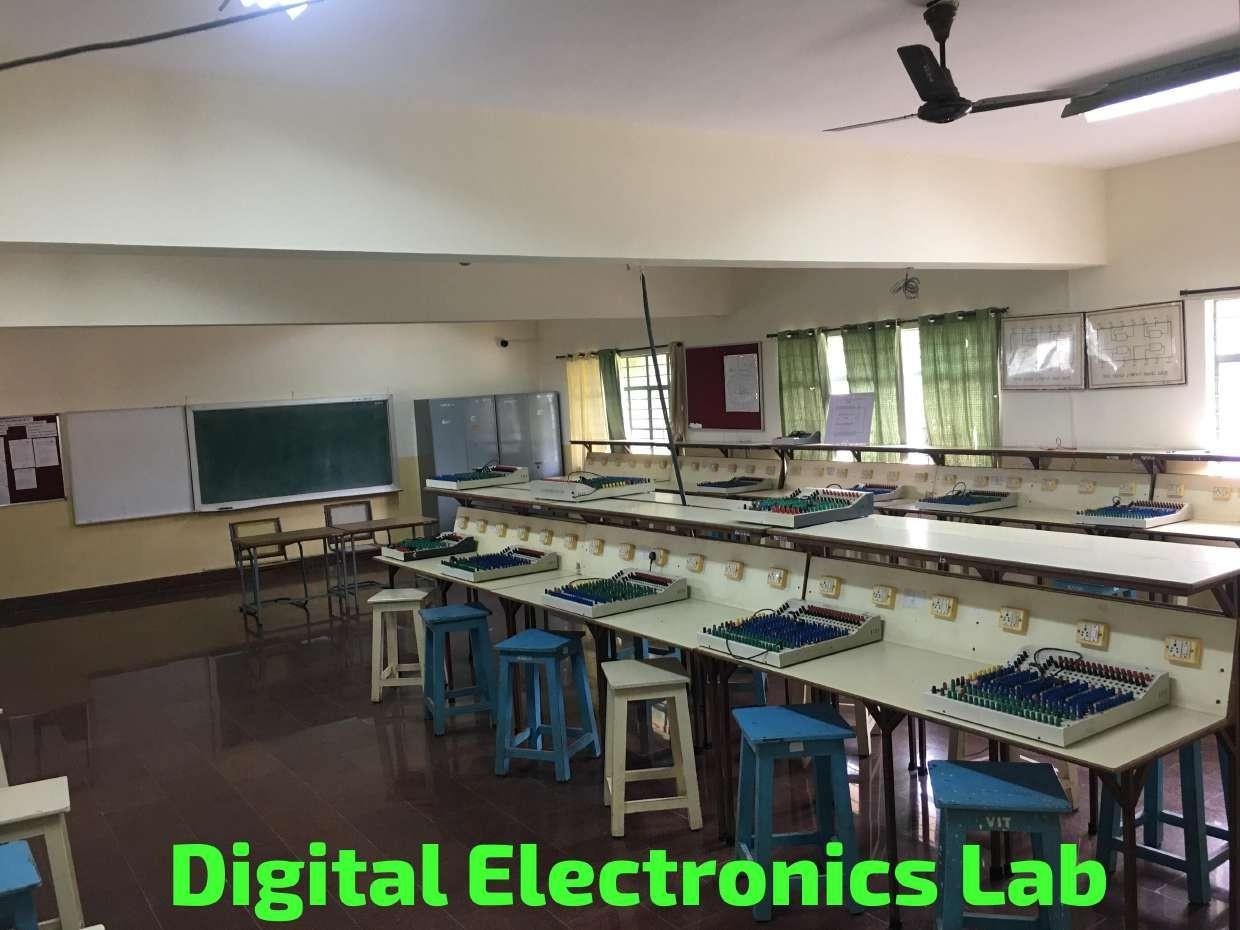
6. Digital Electronics Lab
Digital IC trainer units, logic state analyzers, combinational and sequential circuit test kits, flip-flop arrays, counters, and digital display interface modules.
Department Gallery
Photographic tour of the ECE laboratory facilities, computing centers, and academic spaces